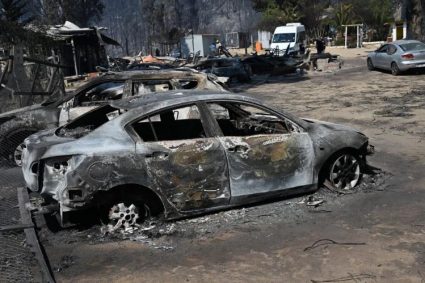




In less than 24 hours, Iran launched a counterattack, bombing the Israeli Air Force and then bombing a US military base.

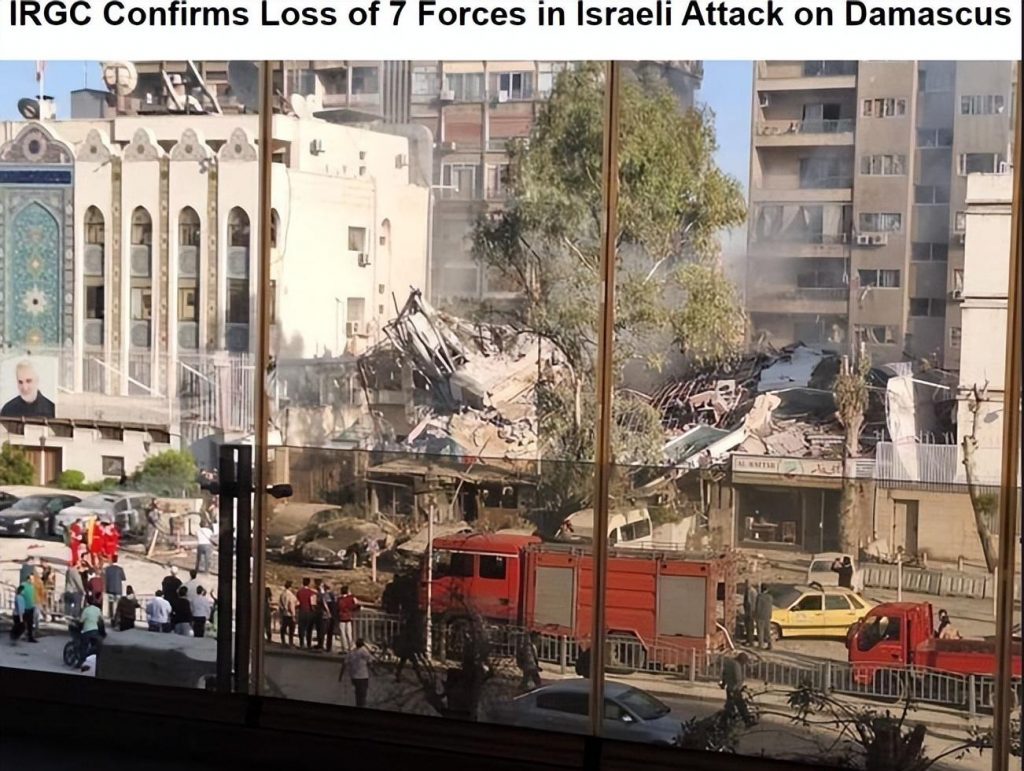
The powder keg in the Middle East has been ignited again! On April 1, a day that seemed like a joke, a serious military conflict occurred: Israeli fighter jets bombed the Iranian embassy in Syria.
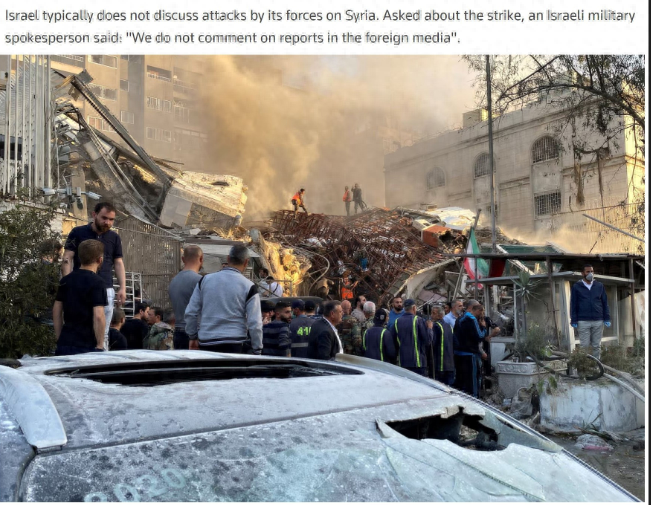
Immediately afterwards, Iran sent a strong counterattack signal. As a result, within 24 hours, even the Israeli air force base and the US military base were hit. This series of actions quickly escalated the situation and brought tensions in the Middle East to new heights.
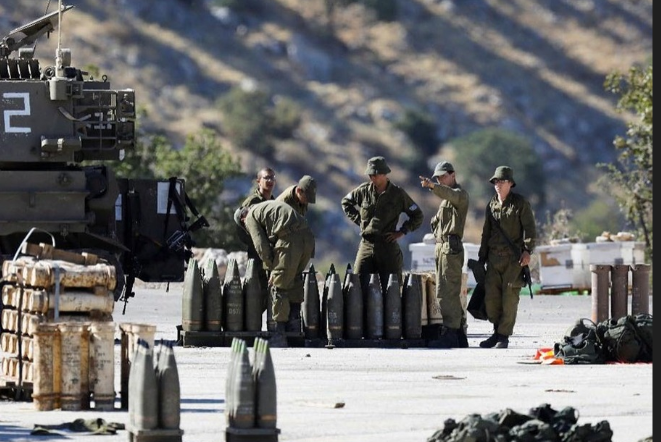
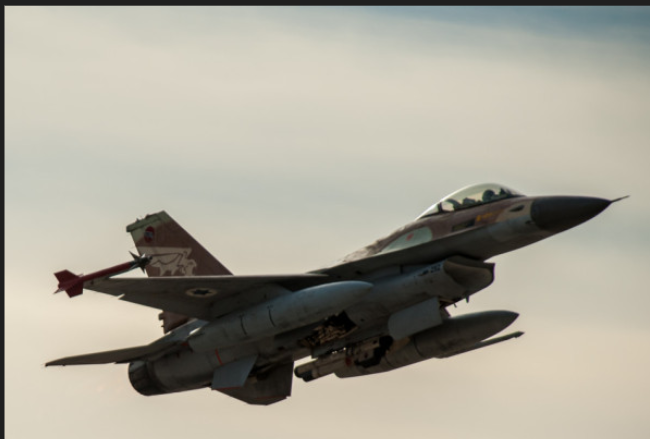
This past weekend, the situation in the Middle East experienced dramatic fluctuations. On April 1, a group of Israeli F35 fighter jets suddenly launched a bombing on the Iranian embassy in Syria. This action can be said to be the first bomb that broke the silence and directly triggered the subsequent series of conflicts.
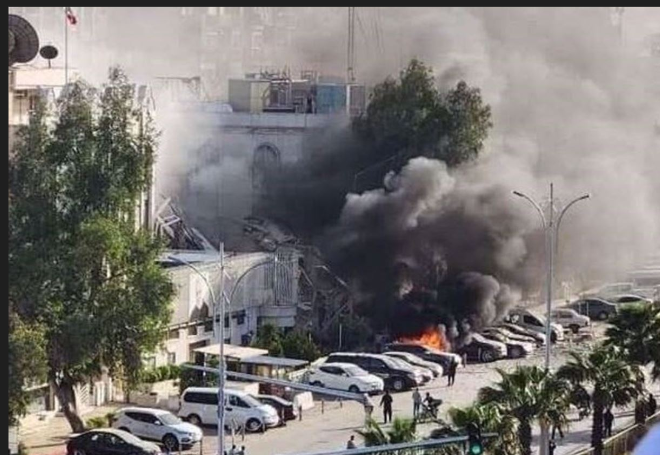
Unfortunately, the airstrike killed 13 people, including two senior generals. As soon as the news came out, it was like a heavy stone was dropped on a calm lake, causing waves to immediately rise. Major countries such as China, the United States and Russia have expressed their stances one after another, and even the United Nations Security Council has held an emergency meeting. The eyes of the world have focused on this tense land.
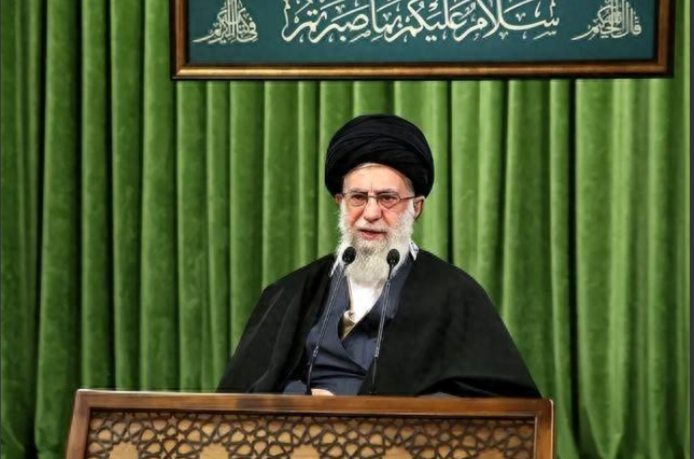
Iran’s response was swift and violent. Iran’s Supreme Leader Ayatollah Ali Khamenei issued a statement on April 2, not only expressing condolences for the dead soldiers, but also sternly stating that Israel will pay the price for its actions. The Iranian Foreign Minister even named the United States. After all, Israel has the support of the United States. The implication is that the United States must also bear responsibility for this action.
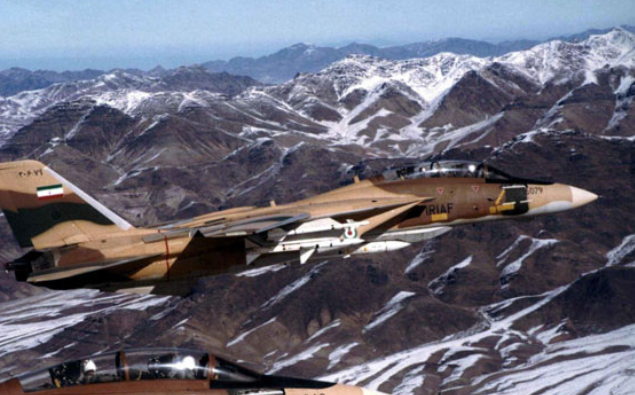
Subsequently, events developed faster than many expected. Less than half a day after the attack on the Iranian Embassy, Iran’s ally, the Iraqi Shia militia, used drones to attack the air base in Tel Aviv, Israel’s second largest city.
The Alrabiya website reported that the group also threatened to continue attacking Israel until they “see hell.” The U.S. military base in Al Tanf in Syria was also not spared and was attacked by suicide drones.
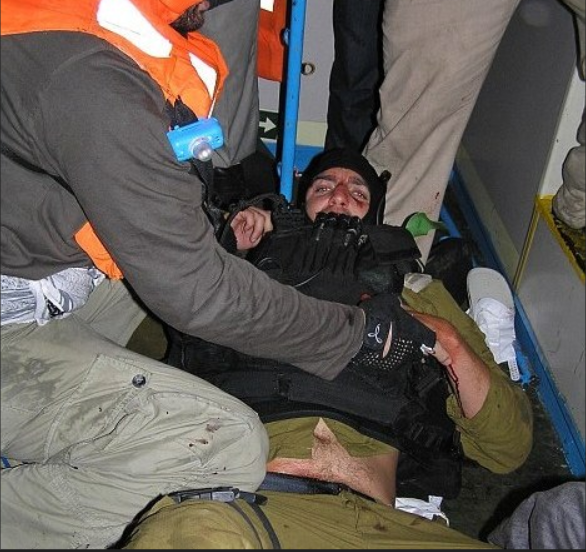
It is worth noting that although the United States stated immediately after the incident that it had no knowledge or involvement, the angry Iranian armed forces did not calm down. What’s more, some US officials privately revealed that Israel did inform the United States before the operation, but did not specify the target. This kind of specious notification makes people wonder whether the attack on the United States is really “unjust.”
Against this smoke-filled background, Israel’s actions do not appear to be directed only against Iran. On the same day, Israel also carried out air strikes in the Gaza Strip, killing seven charity organization workers and injuring many others. This series of events undoubtedly sent a clear signal to Iran: They are concerned about Iran’s influence in the region and are ready to take action.
What happened next was even more eye-catching. Late at night on April 2, an air defense siren sounded over Tel Aviv, indicating that drones from Iran’s allies were attacking Israeli air bases. This attack is not only a military response, but also symbolizes Iran’s strong dissatisfaction with the measures taken by Israel.
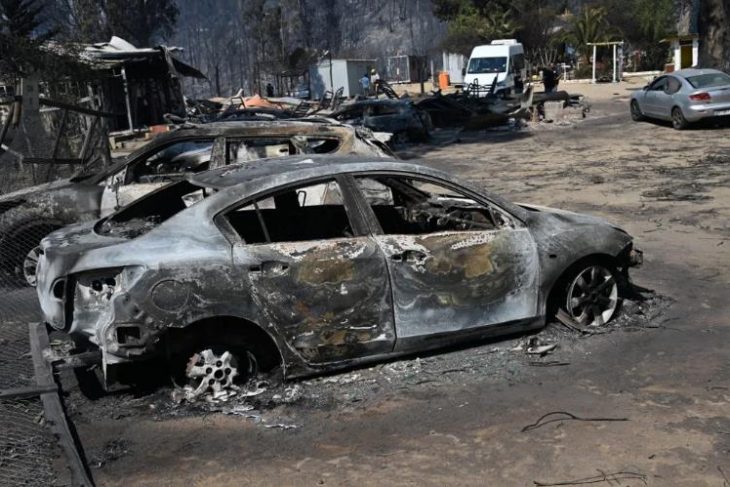
At the same time, the American base on the other side was not spared. The fighting suddenly spread to U.S. military bases in Syria. Fighters at the Altanf base were awakened by nighttime explosions, an attack by suicide drones used by local militias. Although it did not cause a large number of casualties, the attack undoubtedly served as a warning to the United States.
This series of attacks and counterattacks not only had a significant impact on the military, but also caused violent fluctuations at the political level. The international community’s reactions to this sudden conflict have been very different. Some countries have called for calm, while others are secretly gearing up. The civilians in the Middle East are once again involved in the vortex of the game between great powers.
This incident once again made people realize that in the geopolitical chessboard of the Middle East, every change in the situation may trigger a chain reaction. And every conflict invisibly rewrites the future of this region and even the world.
Faced with this sudden challenge, leaders from all over the world are looking for solutions. Under the skies of the Middle East, not only drones and fighter jets are flying, but also trials and competitions between various forces. Among all the calculations and predictions, the most difficult to estimate are the fears and hopes in the hearts of ordinary people.
Today, the smoke has not cleared, and analysts generally believe that this is just another outbreak of the long-standing conflict in the Middle East. In this land, peace is so fragile and war is so easily triggered. Under such a situation, both the government and the private sector are preparing for possible larger-scale conflicts.
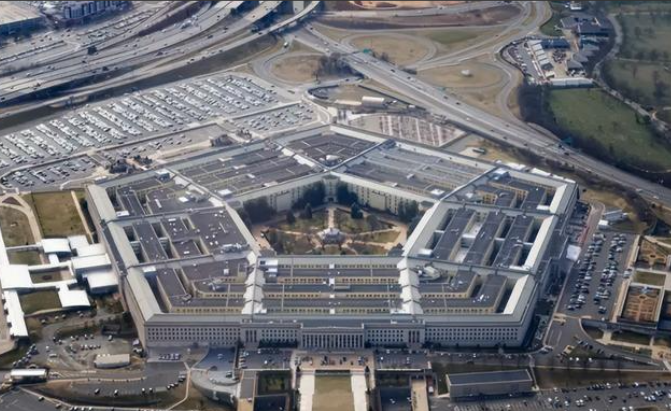
Every conflict in the Middle East is the focus of global attention. This time, the contest between Iran and Israel seems to have started a new round of games. In this world full of uncertainty, we can only pay close attention to the development of the situation and hope that the dawn of peace will once again illuminate this ancient and war-torn land.