




The death toll rises, Chilean wildfires are suspected to be man-made, and a state of emergency has been entered

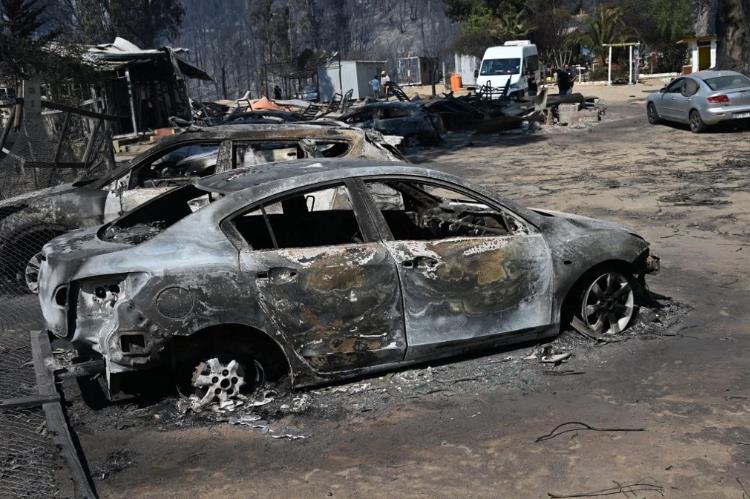
A forest fire that broke out on the 2nd in the Valparaiso region in central Chile is still spreading. President Boric said that the area of affected land is increasing rapidly. As of the 4th, the disaster had killed at least 56 people and left hundreds missing.
“The burning ashes hit us like raindrops.” Pulga, a disaster-stricken resident, described the disaster scene as "hell" in an interview with AFP. According to Reuters, from the 2nd to the 3rd, the area affected by wildfires in Chile increased from 30,000 hectares to 43,000 hectares, and black smoke billowed over the Valparaiso region, where nearly one million residents live. The country's Ministry of Housing and Urban-Rural Development said 3,000 to 6,000 houses were affected by the fire.
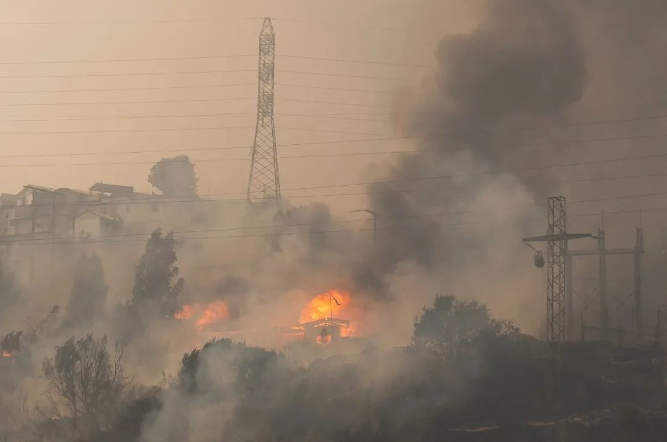
According to CNN, approximately 372 residents of the Valparaiso region are missing. Chilean Interior Minister Toha said the death toll would continue to rise in the coming hours. He also said that this was the worst disaster to hit Chile since an earthquake in 2010 that killed 500 people.
Chile is currently in a state of emergency. Areas such as Viña del Mar, Kilpue and Alemana near the fire have implemented curfews on the 3rd, a move the government said would help keep roads open. Chilean authorities said the area around the coastal tourist city of Viña del Mar was hardest hit.
According to the Chilean “El Libero” website, the cause of the fire is still under investigation, but Toha said that they believe it may have been caused by humans. According to CNN, at least one man has been detained in connection with the wildfires. According to reports, the man was doing welding work at home and accidentally caused a fire that spread to nearby areas.
Recently, South American countries such as Chile, Argentina and Colombia have been enveloped by heat waves. According to Spanish newspaper El Pais, from January 21 to 25, Chile’s capital Santiago reached record high temperatures, and Colombia announced that it was extinguishing forest fires.
Climatologist Cortes told El Pais that January is the traditionally hottest month in South American countries, and high temperatures are normal. What is abnormal is the recurrence or persistence of high temperature weather, which is closely related to the El Niño phenomenon. She said that under the influence of El Niño, the maximum summer temperature in the region may be higher than normal and the cumulative precipitation will be lower than normal.
Another country experiencing heat waves due to El Niño is Australia. Reuters reported on the 4th that Australian weather forecasters issued heat wave warnings to New South Wales, the Australian Capital Territory, the Northern Territory, and Western Australia, saying that temperatures in some areas may reach 40 degrees Celsius. The Australian government has warned that El Niño is adding to the risk of bushfires during an already dangerous fire season.